
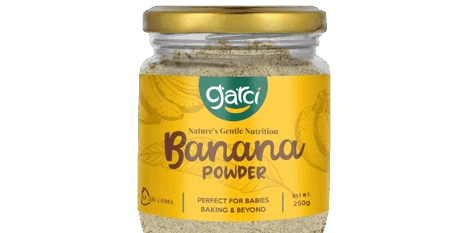
Green Banana Powder: A Simple Way to Add Resistant Starch to Your Daily Food
Green banana powder is more than just another fruit powder. One of its most interesting features is resistant starch — a type of carbohydrate that behaves more like dietary fiber during digestion.
What Is Resistant Starch?
Resistant starch is a type of starch that is not easily digested in the small intestine.
Instead, it can reach the large intestine, where it can be used by beneficial gut bacteria.
Think of it simply as:
Regular starch → easily digested
Resistant starch → resists digestion and acts more like fiber
Green bananas are naturally rich in resistant starch, which is one reason they are different from ripe bananas.
Why Does Resistant Starch Matter?
Resistant starch is getting attention because it may:
- Support gut health
- Act similarly to dietary fiber
- Support healthy digestion
- Help increase the feeling of fullness
- Have a smaller effect on blood glucose than easily digested starch
- Provide food for beneficial bacteria in the gut
Research on green banana products has investigated their potential effects on gut health, glucose metabolism and other areas. Results can vary depending on the product, amount consumed and processing method.
Why Green Bananas Are Special?
As a banana ripens, much of its starch changes into simpler sugars. Green bananas contain much more starch and resistant starch than ripe bananas.
Green Banana Powder Is Not the Same as Ripe Banana Powder
Green banana powder is made from unripe bananas, so it retains the characteristics of green banana, including its naturally high starch content.
How to Use Green Banana Powder to Get Maximum Resistant Starch
To help preserve the natural resistant starch in green banana powder, use it without heating or keep the temperature below 60°C (140°F).
Higher temperatures, especially when combined with moisture and cooking, can change the structure of starch and make it more digestible.
For maximum resistant-starch preservation, add green banana powder to cold or cool foods and drinks, such as:
- Smoothies
- Protein shakes
- Yogurt
- Overnight oats
- Cold drinks
- Energy balls
- Cold desserts
- Puddings
Simple rule: Keep it below 60°C (140°F) when your goal is to preserve as much of the natural resistant starch as possible.